Huihai
Electric
Dry-Type Transformers: The Backbone of Modern Smart Grid Infrastructure
The global energy landscape is undergoing a profound transformation. As utilities and industries embrace smart grid technologies, the demand for reliable, safe, and intelligent power distribution equipment has never been greater. At the heart of this transformation lies the dry-type transformer—a critical component that is reshaping how we manage and distribute electrical power.
A Market Poised for Significant Growth
The global dry-type transformer market is experiencing remarkable growth. Projected to expand from USD 11.72 billion in 2025 to USD 16.33 billion by 2030, the market is registering a compound annual growth rate (CAGR) of 6.9%. This growth is fueled by increasing investments in renewable energy integration, smart grid infrastructure, and urban development projects worldwide.
The momentum is also reflected in regional markets. For instance, the Saudi Arabia dry-type transformer market alone is expected to grow from USD 217.60 million in 2024 to USD 412.32 million by 2034, at a CAGR of 6.60%, driven by the kingdom’s grid decarbonisation roadmap and mega-projects like NEOM.
Why Dry-Type Transformers Are Gaining Traction
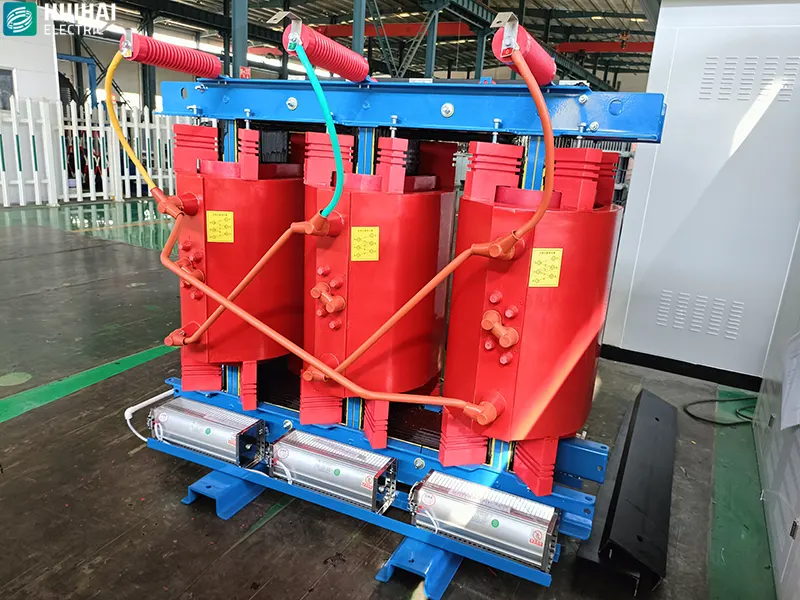
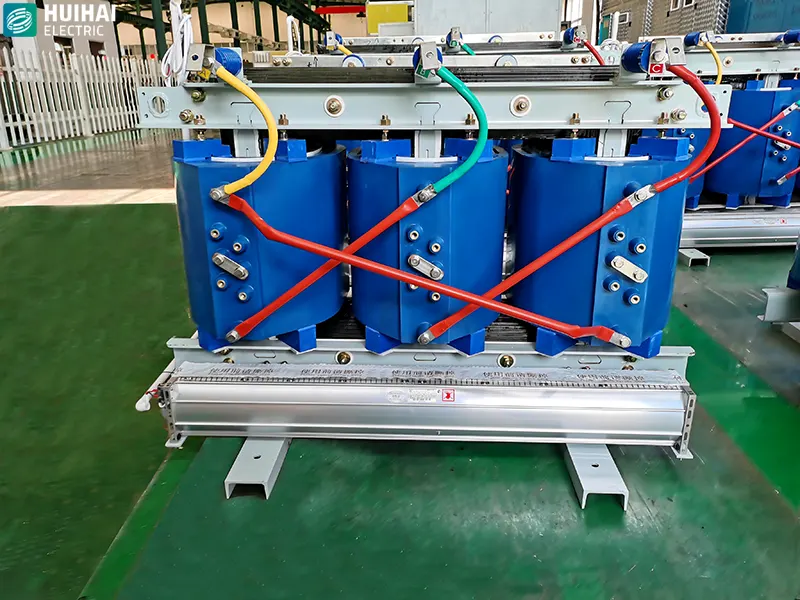
Unlike traditional oil-filled transformers, dry-type transformers use air, cast resin, or epoxy resin as the cooling and insulating medium instead of mineral oil. This fundamental difference offers several distinct advantages:
Superior Fire Safety
Since they do not use flammable oil, dry-type transformers pose a significantly lower fire risk. This makes them particularly advantageous in urban areas, inside buildings, and in environments where safety is a top concern. Their oil-free design eliminates fire hazards, making them highly suitable for indoor installations such as hospitals, high-rise buildings, and data centers.
Environmental Friendliness
With no risk of oil leaks, dry-type transformers eliminate environmental contamination hazards. This aligns with global sustainability goals and increasingly stringent environmental regulations.
Reduced Maintenance
With no oil to monitor, test, filter, or replace, dry-type transformers require significantly less maintenance compared to their oil-filled counterparts. This translates to lower operational costs over the equipment’s lifecycle.
Compact Footprint and Indoor Suitability
Their smaller form factor and fire-safe characteristics make dry-type transformers particularly suitable for space-constrained applications such as data centers, commercial buildings, and renewable energy installations.
Smart Transformers and IoT Integration
The future of power distribution is digital. Modern dry-type transformers are increasingly fitted with sensors, communication modules, and IoT-based diagnostics that enable real-time condition monitoring and fault prediction.
The “smart transformer” is emerging as the centerpiece of the future digital grid. Key capabilities include:
- Real-Time Monitoring: Onboard sensors continuously track critical parameters such as winding temperature, load current, voltage, and partial discharge.
- Predictive Maintenance: By analyzing data with AI and machine learning algorithms, smart transformers can predict potential failures before they occur, allowing for proactive maintenance instead of reactive repairs.
- Grid Integration: Smart transformers can communicate with the wider electrical grid, enabling utilities to better manage power flow, balance loads, and integrate intermittent renewable energy sources more effectively.
- Advanced Protection: Modern designs feature arc-fault detection, overload protection, and remote-control capabilities that support grid flexibility and quick fault recovery.
Advanced diagnostic systems leveraging AI and IoT-enabled platforms have demonstrated diagnostic accuracy exceeding 91%, playing a major role in smart grid resilience by minimizing downtimes and prolonging transformer life.
Applications Across Sectors
Medium-voltage dry-type transformers (operating between 1 kV and 36 kV) are particularly vital in reducing high-voltage transmission power to usable levels for a wide range of facilities. Key application areas include:
- Data Centers: Dry-type transformers are ideal for mission-critical environments due to their fire safety, low maintenance, and compact installation features.
- Renewable Energy Systems: Solar farms, wind farms, and battery energy storage systems benefit from dry-type transformers’ compatibility with inverters and their ability to handle fluctuating power loads.
- Industrial Facilities: Manufacturing plants, chemical facilities, mining operations, and marine applications rely on dry-type transformers for reliable and durable power distribution.
- Urban Infrastructure: Commercial buildings, hospitals, educational institutions, transportation hubs (including metros and railways), and EV charging networks increasingly specify dry-type transformers for their safety and space efficiency.
Looking Ahead
As the world continues its transition toward sustainable energy systems, dry-type transformers will remain indispensable. The combination of safety, environmental benefits, and smart-grid readiness positions them as the transformer technology of choice for the decades ahead.
The dry-type transformer is evolving from a passive electrical component into an intelligent, digital asset. These next-generation transformers will not only provide power but also the data and flexibility needed to manage the complex electrical grids of the 21st century. Whether you are modernizing an existing substation, expanding renewable energy capacity, or developing new urban infrastructure, Huihai Electric is your trusted partner for high-quality dry-type transformer solutions.
Written by
Huihai Electric Co., Ltd.
Editor Xu
www.huihai-electric.com
WhatsApp:+86 139 1136 0187
Email:info@huihai-electric.com
- 7 Key Factors to Consider When Purchasing an Oil-Immersed Transformer
- Basic Winter Maintenance Measures for Oil-Immersed Transformers
- Specific Requirements for Prefabricated Substations in Wind Power Generation Systems
- The 8 Key Roles of Temperature and Humidity Controllers in High and Low Voltage Switchgear
HUIHAIElectric
Huihai Electric is a leading manufacturer of smart grid equipment in China.